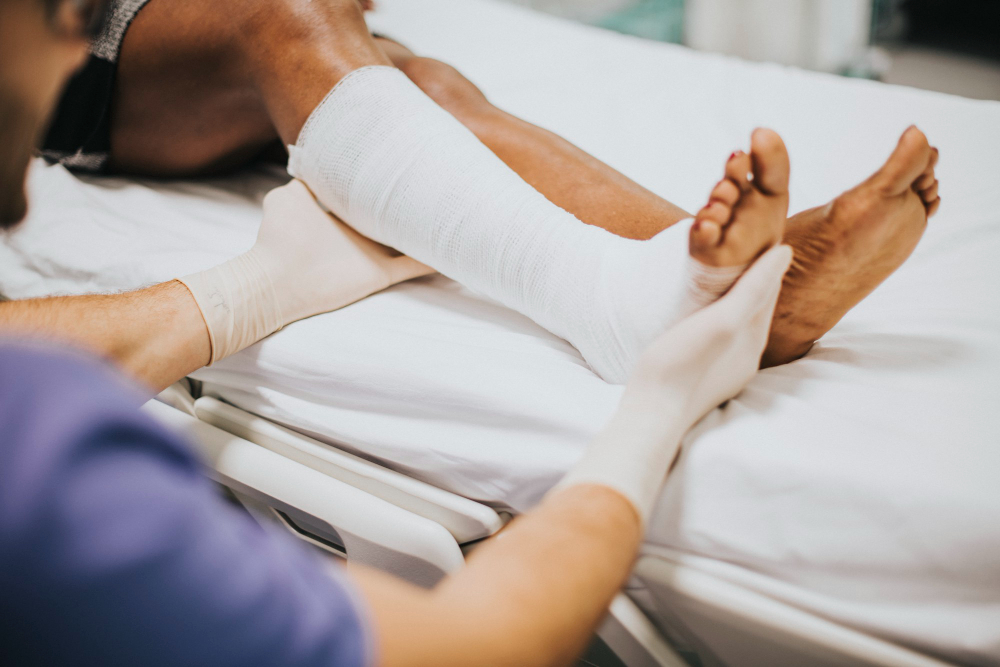
Fracture related infections are a serious problem that can happen after a broken bone. These infections, also called bone infections after fracture, may slow healing and cause pain. Early detection and treatment are important for a full recovery. In this blog, you will learn about the symptoms, causes, diagnosis, and treatment of fracture related infections. We will also share tips for prevention and recovery, using information from trusted sources like the CDC and WHO.
What Are Fracture Related Infections?
Fracture related infections happen when germs enter the body through a broken bone. Sometimes, these germs reach the bone during surgery or from an open wound. As a result, the bone and nearby tissues can become infected. This condition is also known as orthopedic infection or post-fracture infection. While anyone with a broken bone can get this infection, some people are at higher risk.
Common Symptoms
It is important to know the signs of infection after fracture. Early symptoms can help you get treatment quickly. For example, you may notice:
However, not everyone will have all these symptoms. If you notice any of them, contact your doctor right away.
Main Causes and Risk Factors
Fracture related infections are usually caused by bacteria. These germs can enter the body in several ways. For instance, they may come from:
Some people are more likely to get these infections. Risk factors include:
Because of these risks, doctors take extra care to keep wounds clean and prevent infection.
Diagnosis Methods
Doctors use several methods to diagnose fracture related infections. First, they will ask about your symptoms and check the wound. Next, they may order tests such as:
Sometimes, doctors may need to take a small piece of tissue for testing. Early diagnosis helps start treatment sooner and improves recovery.
Treatment Options
Treating fracture related infections often requires a mix of approaches. For example, your doctor may suggest:
In some cases, treatment can take several weeks or months. However, following your doctor’s advice can lead to a full recovery. According to the CDC, early treatment lowers the risk of long-term problems.
Prevention Tips
There are steps you can take to lower your risk of bone infection after fracture. For instance:
Additionally, if you notice any signs of infection, seek medical help right away. Quick action can prevent serious problems.
Lifestyle and Recovery Guidance
Recovering from a fracture related infection takes time and patience. During this period, you should:
Moreover, staying positive and following your care plan can help you heal faster. Support from family and friends is also important during recovery.
Conclusion
Fracture related infections can be serious, but early care makes a big difference. If you suspect a fracture related infection, consult an orthopedic specialist for personalized care. Quick treatment can help you return to normal activities and protect your health.