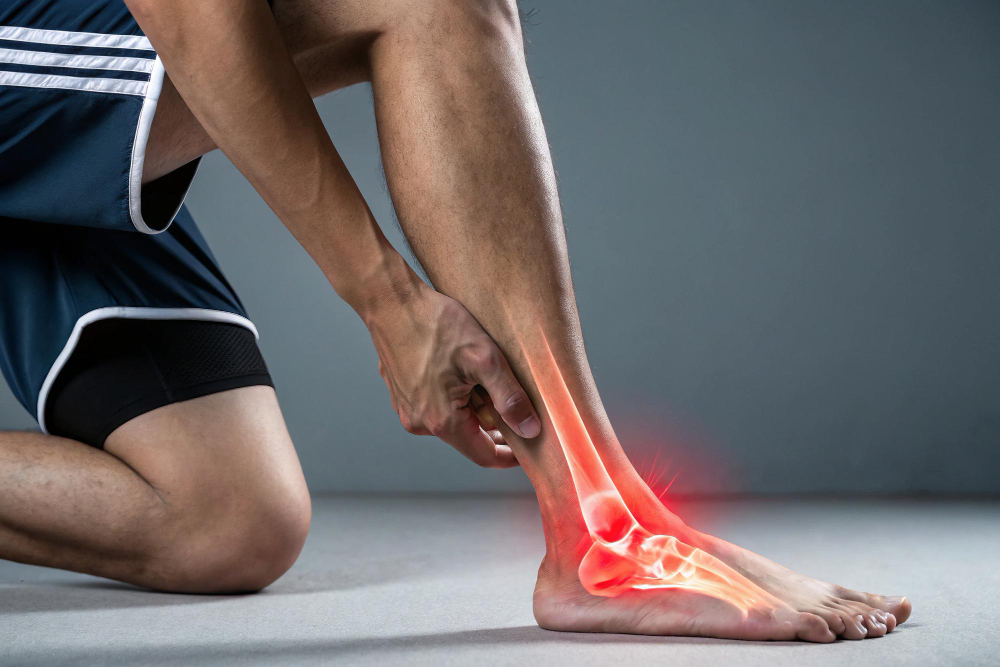
Introduction to Cuboid Syndrome
Many athletes experience foot pain after sports injuries. Sometimes, this pain is not from an ankle sprain but from a lesser-known problem called Cuboid Syndrome. In fact, Cuboid Syndrome happens when the cuboid bone in your foot moves out of place. Because the pain feels similar, people often mistake it for an ankle sprain. However, knowing the difference is important for proper treatment and faster recovery.
Common Symptoms
Recognizing cuboid syndrome symptoms helps you get the right care. While symptoms can vary, most people notice:
For athletes, this pain can make running or jumping hard. Yet, some may still try to play, which can make things worse.
Causes and Risk Factors
Several things can lead to Cuboid Syndrome. Most often, it happens after a sudden twist or injury to the foot. But, there are other causes too:
Because athletes put extra pressure on their feet, they have a higher risk. Still, anyone can develop Cuboid Syndrome if these factors are present.
How Cuboid Syndrome Differs from an Ankle Sprain
At first, it is easy to mix up Cuboid Syndrome with an ankle sprain. However, there are key differences. For example, Cuboid Syndrome pain is usually on the side of the foot, not around the ankle. Also, the pain often starts after a twisting injury but may not cause as much swelling as an ankle sprain. In contrast, ankle sprains usually cause more bruising and swelling around the ankle joint. Knowing the difference between cuboid syndrome and ankle sprain helps you seek the right treatment.
Diagnosis Methods
Doctors use several ways to diagnose Cuboid Syndrome. First, they will ask about your symptoms and how the injury happened. Next, they will examine your foot for tenderness and swelling. Sometimes, they may move your foot to see where the pain is. In some cases, X-rays or other scans help rule out broken bones. However, Cuboid Syndrome often does not show up on X-rays, so a careful exam is key. According to orthopedic journals, a hands-on exam is often the best way to find this condition.
Treatment Options
Early cuboid syndrome treatment can speed up healing. Most people get better with simple steps, such as:
In rare cases, a doctor may suggest a short period of using crutches. Surgery is almost never needed. The CDC and orthopedic experts agree that most people recover well with these treatments.
Prevention Tips for Athletes
Although Cuboid Syndrome can happen to anyone, athletes can lower their risk. Here are some tips:
By following these steps, you can help prevent foot pain in athletes and avoid Cuboid Syndrome.
When to See a Doctor
If your foot pain does not improve after a few days of rest, it is time to see a doctor. Also, if you cannot walk, have severe swelling, or notice changes in foot shape, seek help right away. Early treatment can prevent long-term problems and get you back to your activities sooner.
If you suspect cuboid syndrome, consult Dr Vivek Sama an orthopedic specialist for personalized care.