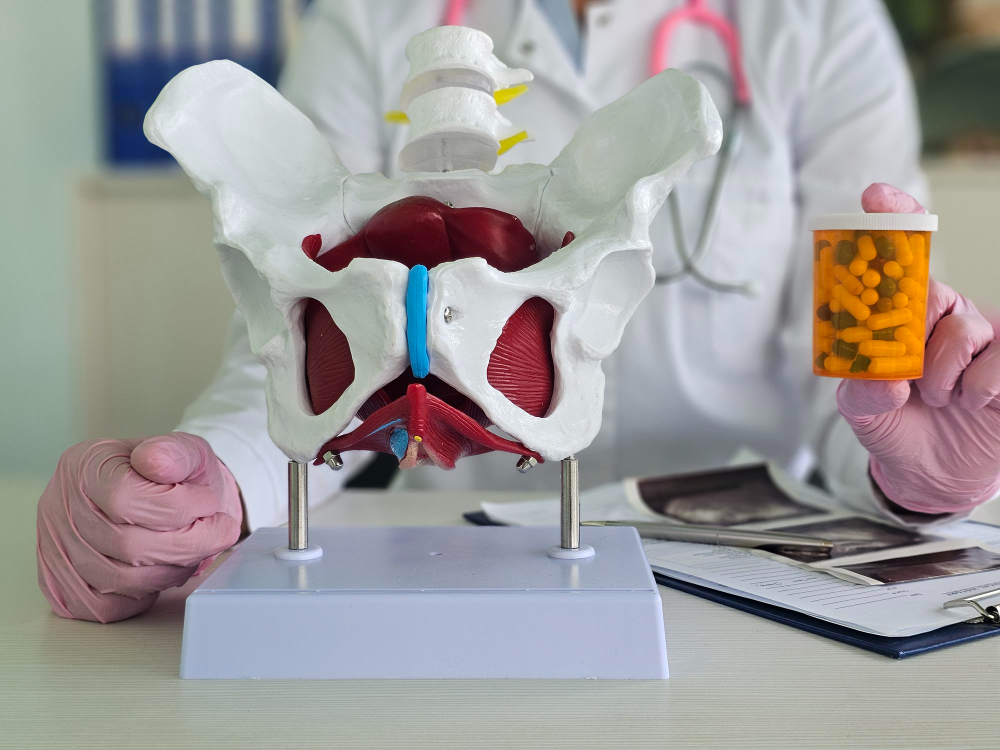
What is Osteonecrosis of the Hip (AVN)?
Osteonecrosis of hip, also called avascular necrosis (AVN), happens when blood stops reaching the hip bone. As a result, the bone cells start to die. Over time, the hip joint may weaken or even collapse. Because the hip is a major joint, this problem can make walking or moving difficult. In many cities, doctors see osteonecrosis of hip in both young and older adults. Although the condition can be serious, early AVN treatment can help protect hip joint health.
Early Signs and Symptoms of AVN
At first, AVN hip symptoms may be mild or easy to miss. However, noticing these early signs is important. For example, you may feel pain in your hip or groin. This pain often gets worse when you stand or walk. Sometimes, the pain spreads to your thigh or knee. As AVN progresses, you might notice:
Because these symptoms can look like other hip problems, it is important to talk to a doctor if you notice them. Early detection can make a big difference.
Causes and Risk Factors
Osteonecrosis of hip develops when blood flow to the hip bone is reduced or blocked. As a result, bone tissue begins to die. Several risk factors can increase your chance of developing AVN. For instance, common causes include:
Although anyone can get AVN, it is more common in people aged 30 to 50. According to the CDC and medical journals, some people develop AVN without a clear cause.
How AVN of the Hip is Diagnosed
Doctors use several steps to diagnose hip bone death or AVN. First, they ask about your symptoms and medical history. Next, they perform a physical exam to check hip movement and pain. Often, imaging tests are needed. For example, doctors may order:
Because early AVN can be hard to see on X-rays, MRI is often the best way to catch the problem early. Early diagnosis helps doctors plan the right treatment.
Treatment Options for Osteonecrosis of the Hip
Treatment for osteonecrosis of hip depends on how much the bone is affected. Early AVN treatment can help slow or stop bone damage. For mild cases, doctors may suggest:
If the hip bone is badly damaged, surgery may be needed. For example, doctors may perform:
Because each case is different, your doctor will help choose the best treatment for you.
Lifestyle Tips and Prevention Strategies
Although not all cases can be prevented, some steps may lower your risk of AVN. For instance, you can:
Because early action matters, always talk to a healthcare provider if you notice hip pain or stiffness. The World Health Organization and CDC recommend regular check-ups for people with risk factors. In many areas, clinics offer hip screening and advice to help keep your joints healthy. Consult Dr. Vivek Sama.