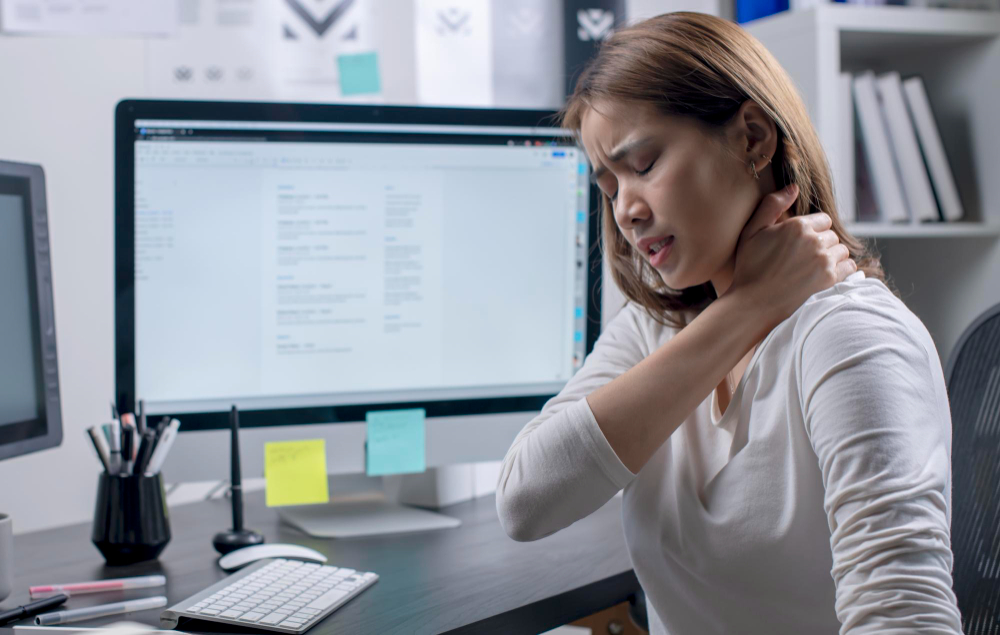
What is Cervical Spondylosis?
Cervical spondylosis is a common condition that affects the neck. It happens when the bones and discs in the neck, called the cervical spine, wear down over time. Because of this, it is also known as neck arthritis or cervical spine degeneration. Many people develop cervical spondylosis as they age. Understanding this condition is important because it can cause neck pain and other problems that affect daily life.
Common Causes of Cervical Spondylosis
As people get older, the bones and discs in the neck change. These changes are the main cause of cervical spondylosis. However, other factors can also play a role. For example, injuries or repeated strain can speed up the process. Here are some common causes:
Recognizing Symptoms
Not everyone with cervical spondylosis has symptoms. However, many people notice signs as the condition progresses. For instance, neck pain is the most common symptom. But there are others to watch for:
Because these symptoms can affect daily activities, it is important to seek help if they appear.
How Cervical Spondylosis is Diagnosed
Doctors use several steps to diagnose cervical spondylosis. First, they ask about your symptoms and medical history. Next, they perform a physical exam to check neck movement and nerve function. Often, imaging tests help confirm the diagnosis. For example, X-rays can show bone changes. MRI or CT scans may reveal disc problems or nerve pressure. Sometimes, doctors use nerve tests to see how well signals travel through the arms and hands. According to the CDC, early diagnosis helps prevent complications.
Treatment Options for Cervical Spondylosis
Many people find relief with simple treatments. However, the best treatment for neck pain depends on the severity of symptoms. Here are some common options:
Because each person is different, doctors create a treatment plan based on individual needs. The World Health Organization recommends starting with the least invasive options first.
Lifestyle Tips and Prevention
Although you cannot stop aging, you can take steps to protect your neck. For instance, good habits may lower your risk of cervical spondylosis or help manage symptoms. Try these tips:
Because prevention is easier than treatment, these habits can make a big difference.
Conclusion
In summary, cervical spondylosis is a common cause of neck pain and stiffness. It develops as the neck ages, but many people manage symptoms with simple treatments and healthy habits. If you notice ongoing neck pain or other symptoms, consult an orthopedic specialist Dr. Vivek Sama for personalized advice on cervical spondylosis.