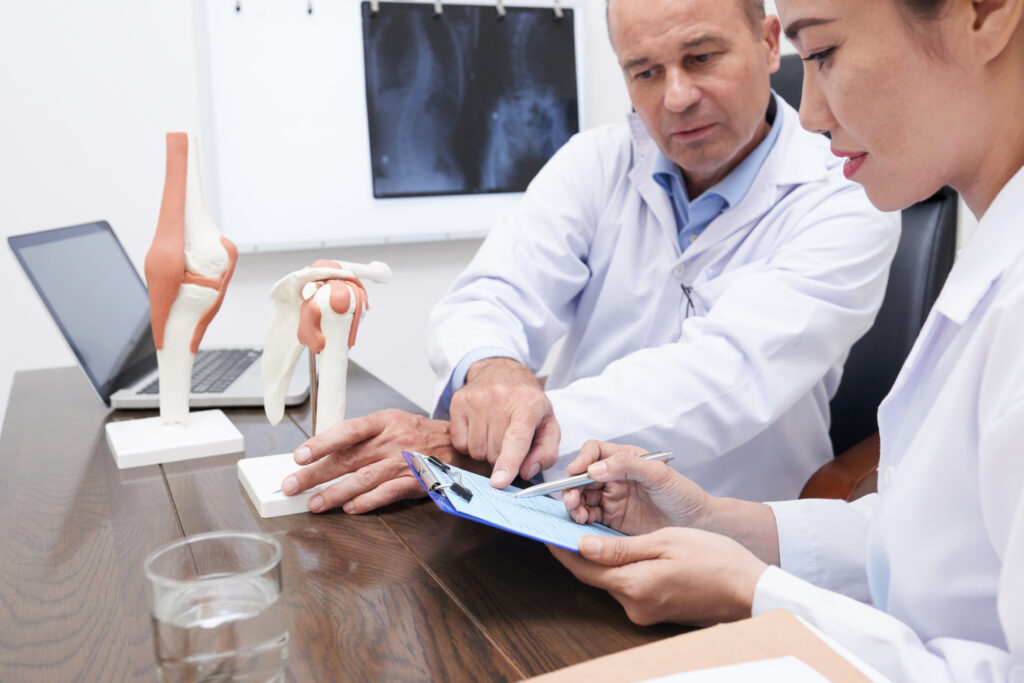
What is Knee Arthroscopy?
Knee arthroscopy is a minimally invasive knee surgery. Doctors use a small camera, called an arthroscope, to look inside your knee. Through tiny cuts, they can see and treat problems without making a large incision. Because of this, recovery is often faster than with open surgery. Many people choose this arthroscopic knee procedure for issues like torn cartilage, damaged ligaments, or unexplained knee pain. According to the American Academy of Orthopaedic Surgeons, knee arthroscopy is one of the most common orthopedic surgeries worldwide.
Benefits of Knee Arthroscopy
There are several reasons why doctors recommend knee arthroscopy. For many, the benefits include:
Additionally, knee arthroscopy can help diagnose knee problems when other tests are unclear. For example, if an MRI does not show the cause of pain, this procedure may help.
Risks and Potential Complications
Although knee arthroscopy is considered safe, every surgery has risks. It is important to know about possible problems, such as:
However, most people do not have serious complications. The risk of infection after knee arthroscopy is less than 1%. Still, you should watch for signs like fever, redness, or severe pain after surgery. If you notice these, contact your doctor right away.
Who is a Good Candidate?
Not everyone needs knee arthroscopy. Doctors often suggest this procedure if:
On the other hand, people with severe arthritis may not benefit as much. Your doctor will review your health, age, and activity level before recommending surgery. Therefore, always discuss your options with an orthopedic specialist.
Recovery and Aftercare
After knee arthroscopy, most people recover quickly. Even so, following your doctor’s advice is important. Here are some knee arthroscopy recovery tips:
Usually, you can walk with crutches for a few days. Many people return to work or school within a week. However, full recovery may take several weeks, especially if you had more complex repairs.
Prevention and Lifestyle Tips
While knee arthroscopy can help, preventing knee injuries is even better. To protect your knees:
Furthermore, if you feel knee pain, rest and seek medical advice early. Early treatment can prevent bigger problems later.
Conclusion
Knee arthroscopy offers many benefits, but it also has risks. Because every person is different, it is important to talk with a doctor about your options. Consult Dr. Vivek Sama to discuss if knee arthroscopy is right for you.