Introduction to Knee Replacement Surgery
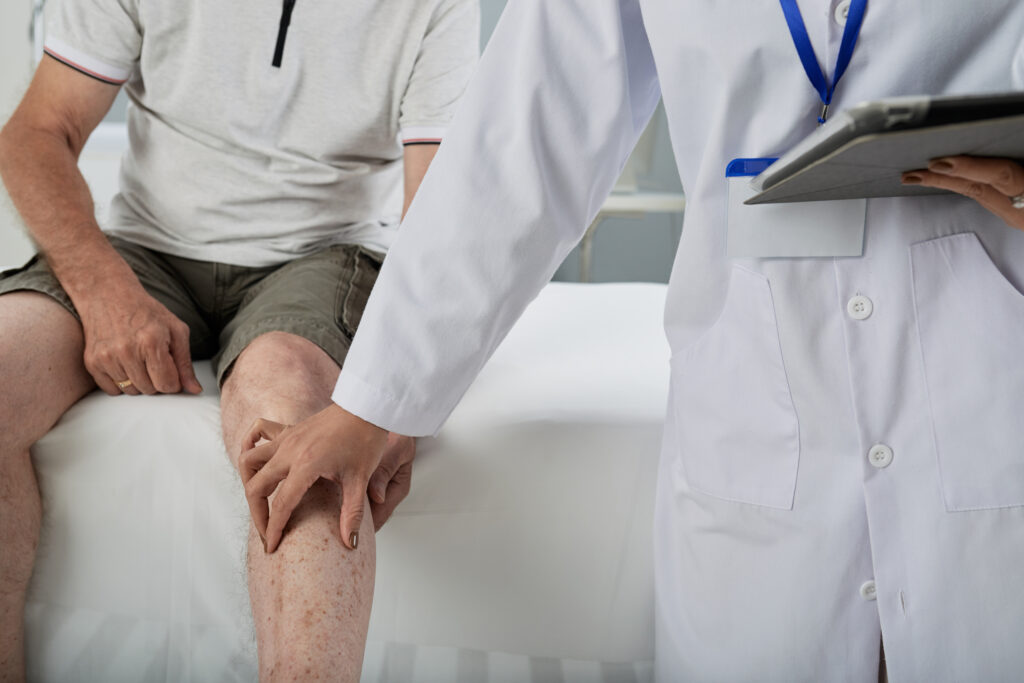
Knee replacement surgery is a common procedure for people with severe knee pain or damage. Many patients in the United States choose this surgery to improve movement and reduce pain. During the operation, doctors replace the damaged knee joint with an artificial one. Because recovery is important, knowing what to do and what to avoid can help you heal faster. In this blog, you will learn about the dos and don’ts after knee replacement surgery, safe activities, and helpful recovery tips.
Why Following Dos and Don’ts Matters
Following the right steps after knee replacement surgery helps you heal well. For example, doing the right exercises can make your new knee stronger. On the other hand, ignoring advice may slow your recovery or cause problems. Therefore, knowing the dos and don’ts is key for a smooth recovery. According to the CDC and orthopedic experts, good habits lower the risk of infection and help you return to daily life sooner.
Dos After Knee Replacement Surgery
Don’ts After Knee Replacement Surgery
Tips for a Smooth Recovery
For a smooth recovery after knee replacement surgery, try these helpful tips. First, set up your home before surgery by removing tripping hazards. Next, keep items you use often within easy reach. In addition, wear non-slip shoes to prevent falls. You should also ask family or friends for help with daily tasks. Moreover, follow your knee replacement recovery tips from your care team. As you heal, add safe activities after knee replacement, like walking or gentle cycling, to your routine. However, always check with your doctor before starting new exercises.
When to Contact Your Doctor
Sometimes, problems can happen after knee replacement surgery. You should contact your doctor if you notice any of these signs:
Early treatment can prevent serious issues. Therefore, do not wait if you feel something is wrong.
Conclusion & Call-to-Action
In summary, following the dos and don’ts after knee replacement surgery helps you heal faster and safer. Remember to listen to your doctor, follow knee replacement recovery tips, and avoid risky activities. If you have any concerns, consult Dr. Vivek Sama for personalized advice after knee replacement surgery.